Laslett, Peter
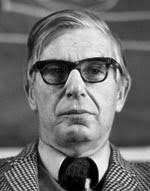
Bio: (1915–2001) British historian and sociologist. Laslett studied and later taught history at the University of Cambridge. He was the cofounder of the Cambridge Group for the History of Population and Social Structure and the Open University.
Laslett, in The World We Have Lost: England Before the Industrial Age (1965), researched social and political upheavals in seventeenth-century England. He researched premodern family patterns and family life in the books The World We Have Lost (1965), Household and Family in Past Time (1972), Family Life and Illicit Love in Earlier Generations (1977), and Family Forms in Historic Europe (1983). Using local historical evidence, Laslett concluded that the small nuclear family was predominat family form in premodern times, and that the earlier view that the extended family with several generations living together was a predominant form was wrong. Laslett also researched topics of historical demography in An Introduction to English Historical Demography: From the Sixteenth to the Nineteenth Century (1966) and the history of aging in Aging in the Past: Demography, Society, and Old Age (1995).
Main works
The World We Have Lost: England Before the Industrial Age (1965);
The World We Have Lost (1965);
An Introduction to English Historical Demography: From the Sixteenth to the Nineteenth Century (1966);
Household and Family in Past Time (1972);
Family Life and Illicit Love in Earlier Generations: Essays in Historical Sociology (1977);
Statistical Studies of Historical Social Structure (1978);
Bastardy and its Comparative History: Studies in the History of Illegitimacy and Marital Nonconformism (1980);
The World We Have Lost: Further Explored (1983);
Family Forms in Historic Europe (1983);
A Fresh Map of Life: The Emergence of the Third Age (1989);
Justice Between Age Groups and Generations (1992);
Aging in the Past: Demography, Society, and Old Age (1995).